Lake Havasu City, AZ
Emergency Garage Door Repair for Lake Havasu City Homes
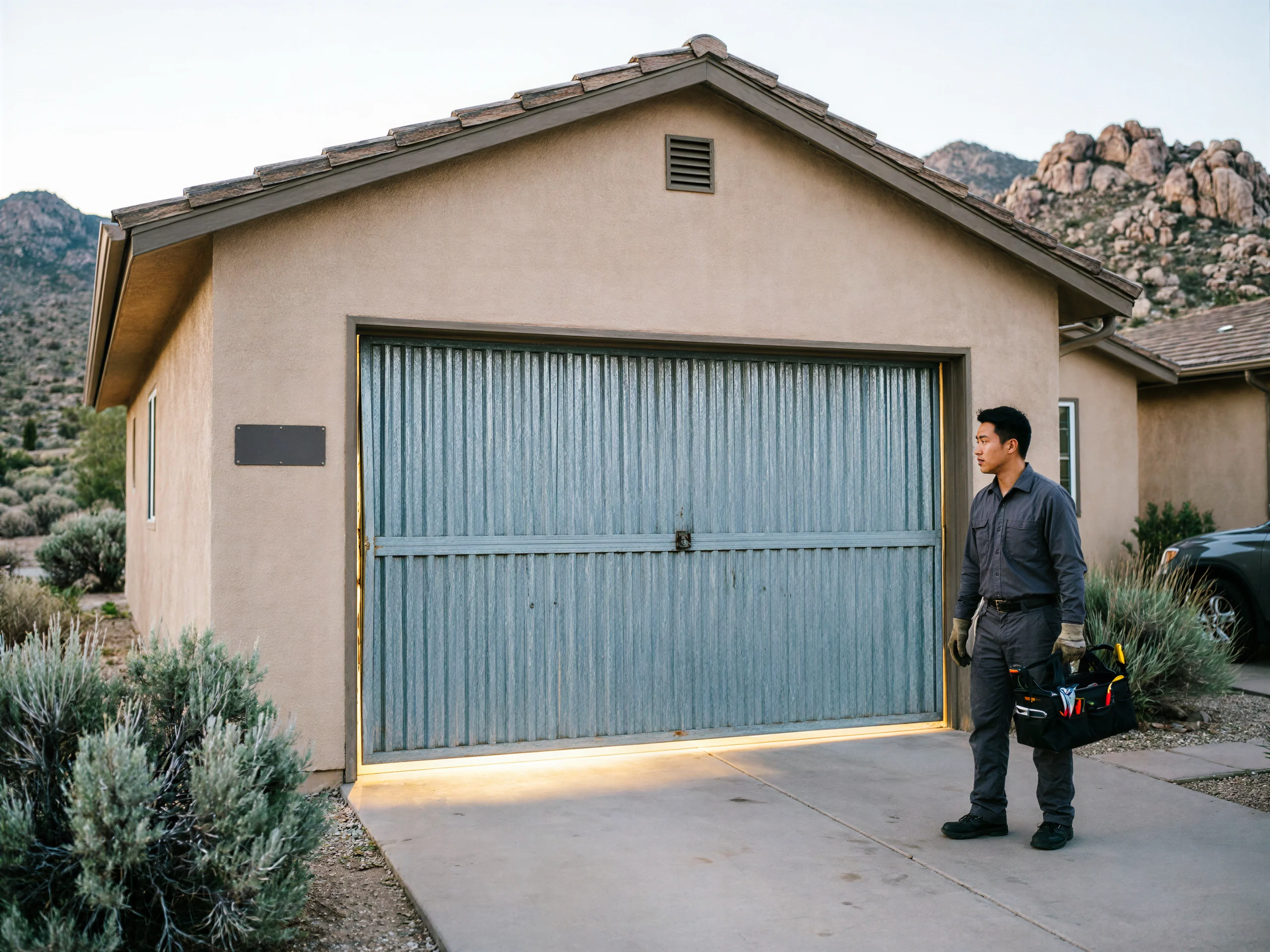
Broken spring or dead opener at 9pm? We work on the 1990s-era torsion hardware and heat-cracked panels common across Lake Havasu City and the surrounding service area.
Parts We Carry
Most of the housing stock in this service area went up between 1991 and 2000, with a median build year around 1995. That means the torsion springs, extension cables, and nylon rollers on your door are original builder-grade parts pushing past their rated cycle life.
Standard springs and cable
We stock standard torsion springs sized for the single and double doors that went into subdivisions built in that decade, plus the steel rollers and galvanized cable that replace the stock parts those builders used. We also carry drums, end bearing plates, and the hinges that crack first on doors that have spent 25-plus years opening into direct sun.
Custom door special orders
What we don't stock on the truck is anything for a custom or architectural door - oversized glass-panel doors or anything with a non-standard track radius usually means a special order, and we'll tell you that up front instead of making you wait at the curb while we guess. Openers are a mixed bag.
Opener gear kits and boards
Chain-drive units from the builder-grade era are common enough that we carry replacement gear kits and circuit boards for the major brands installed in homes from that period. Belt-drive and smart openers installed later as upgrades are less predictable - if yours is newer, we may need to order the board.
What It Costs
We don't quote a repair over the phone sight unseen, and we're not going to put a number here that doesn't match what's actually wrong with your door.
Repair cost by failure
Cost depends on what failed - a single torsion spring replacement is a different job than a double-spring system, a stripped gear on an opener, or a cable that's jumped the drum and taken the bottom bracket with it.
Factors that raise price
What we can tell you is what drives the number up: the door's weight and size, whether one spring failed or the whole pair needs replacing together, and whether the opener's gear kit or its logic board is the actual failure. A household at the median income for this area ($62,644) is usually looking at a spring job, not a full door replacement - but we'll give you the real number after we look at the door, not before.
Repair nearing replacement cost
If a repair is going to cost close to what a new door costs, we'll say so. Fixing a 1990s-era door that's already had two spring failures and a cracked panel section isn't always the better move, and we're not going to talk you into it.
What Causes It Around Here
This service area sits in a severe-heat climate band, and that heat is the single biggest reason doors fail here compared to almost anywhere else. Daily temperature swings cook the lubricant out of torsion springs faster than the manufacturer's rated cycle count assumes, and steel expands and contracts enough over a season to work bolts loose on track brackets that were torqued down once, in 1995, and never touched again.
Most of the service area's roughly 2,053 households are in homes built across two main waves of construction from the 1980s and 90s, and about 1,142 of those are owner-occupied houses with the original garage door hardware still in place. That's not a coincidence - it's the same spring, the same opener chassis, the same plastic idler pulleys, all aging out at roughly the same time because they all went in during the same building boom.
Panels fare worse here too. Heat makes the hardboard and early steel-composite panels common in that era warp and delaminate at the bottom where they sit closest to a hot concrete slab, which is a slower failure but one that eventually jams the track.
The Symptom
A door that won't budge, or one that opens six inches and reverses, is almost always a spring problem on a house from this era - the spring has lost its temper from heat cycling and finally let go, usually with a loud bang you'll hear from inside the house.
Single broken spring warning
If the door is heavy and only one spring broke, do not run the opener again; it will strip the gear trying to lift a weight it was never built to handle alone. A door that drifts off level, with one side higher than the other, usually means a cable has slipped the drum, which is common on the older extension-spring setups still found on houses that haven't been upgraded to torsion since original construction.
Grinding from loose brackets
A grinding or binding sound partway through the cycle is often a track bracket that's worked loose from years of thermal expansion - tighten it and the noise may stop, or the track may already be bent enough that it needs replacing.
Opener hums, door won't move
An opener that hums but doesn't move the door is either a stripped gear kit or a capacitor that's given out from heat - both are common failures on builder-grade units from the 1990s still running in homes that haven't replaced the opener since it was installed.
Questions
Common questions
Why did my garage door spring break at night with no warning?
Torsion springs fail from metal fatigue after a set number of open-close cycles, and heat accelerates that fatigue. Houses in this area built in the 1990s have springs original to construction, which puts most of them well past their expected lifespan. The break itself is sudden, but the wear that caused it took years.
Is it safe to open my garage door manually after a spring breaks?
You can usually disengage the opener and lift the door by hand briefly, but a double door with one broken spring is heavy and can drop fast. Don't force it open repeatedly or run the opener motor against a broken spring - that's how a stripped gear or a bent track gets added to the original problem.
Why do openers from the 1990s fail more in summer?
Heat is hard on capacitors and the plastic gears inside older chain-drive openers. In a severe-heat climate, a garage that sits closed all day can get hot enough to shorten the life of components that would last longer in a milder area. It's one reason opener failures here often cluster in the hottest months.
Should I replace the whole door or just repair it?
If the door is original to a house built in the 1990s and this is a second or third spring or cable failure, repair cost starts closing in on replacement cost. We'll look at the door's condition - panel warping, track wear, overall age - and tell you honestly which side of that line you're on before we recommend anything.
Explore more
Explore More Services In Lake Havasu City, AZ
Garage Door Installation Built for Lake Havasu Heat
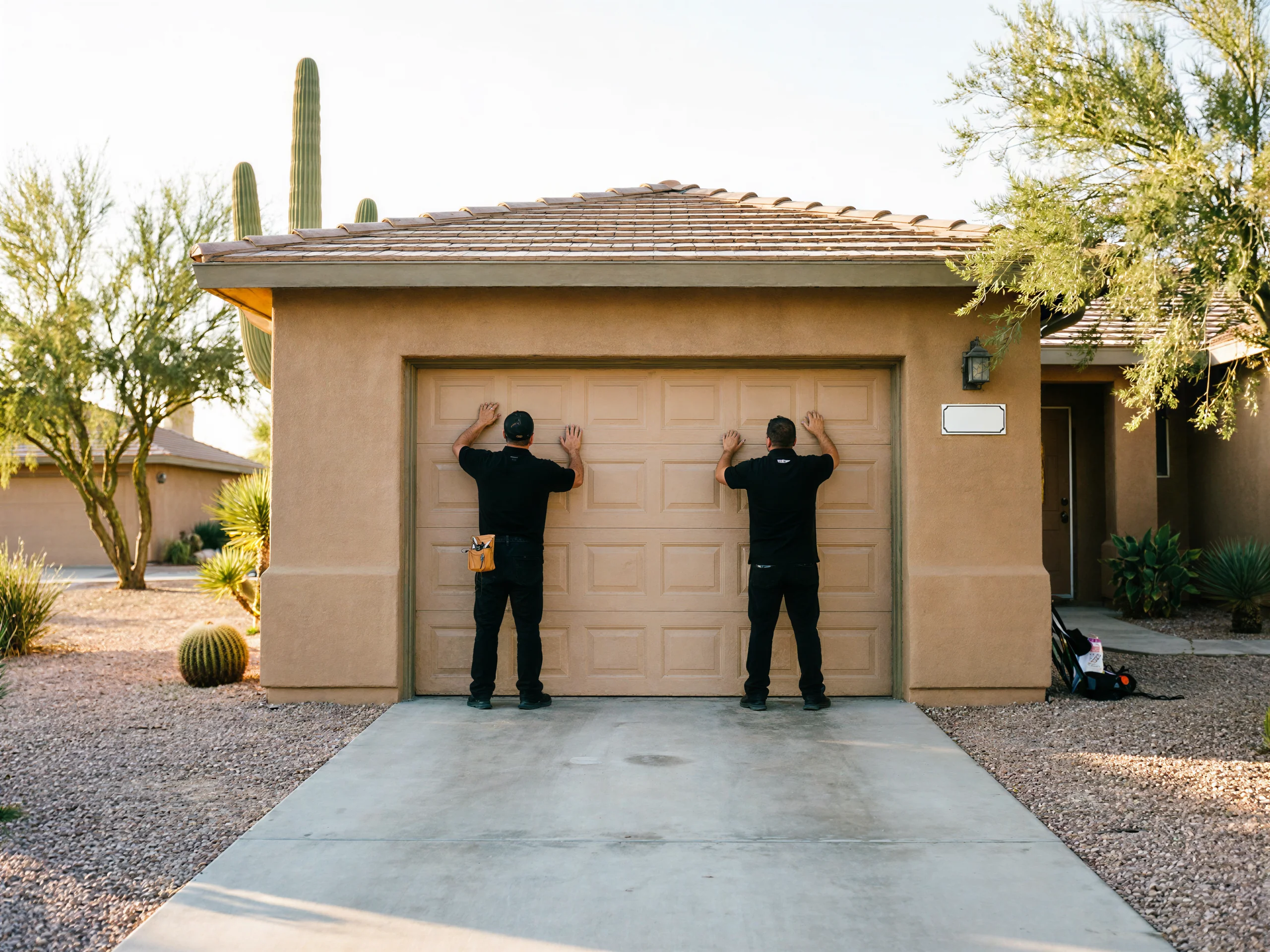
Most homes here were built in the 1990s with steel doors that weren't built for this heat. Learn more →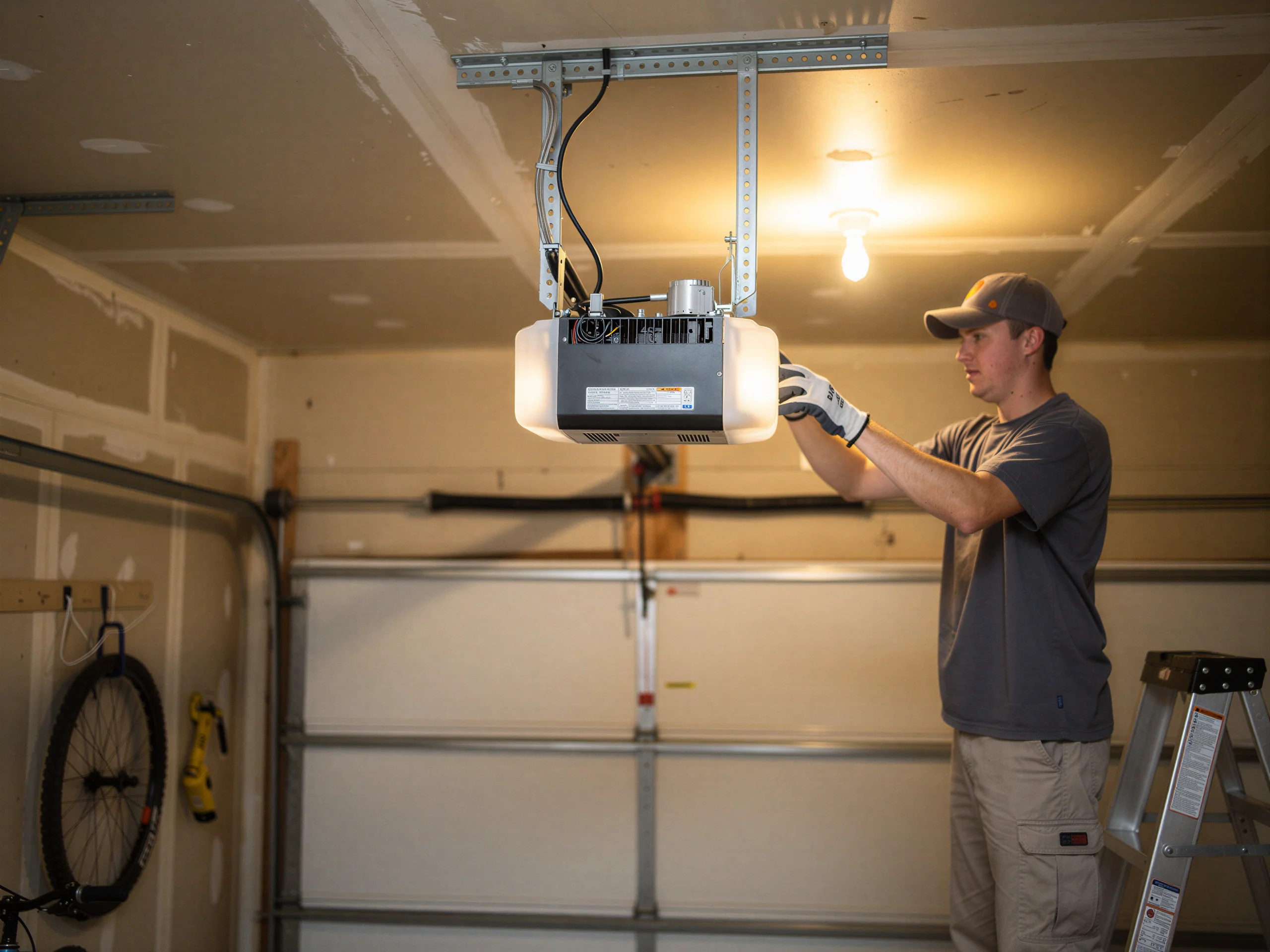
Garage Door Opener Repair, Lake Havasu City
Opener repair for Lake Havasu City homes built mostly in the 1990s, where summer heat cooks circuit boards and gear sets faster than cooler climates allow for. Learn more →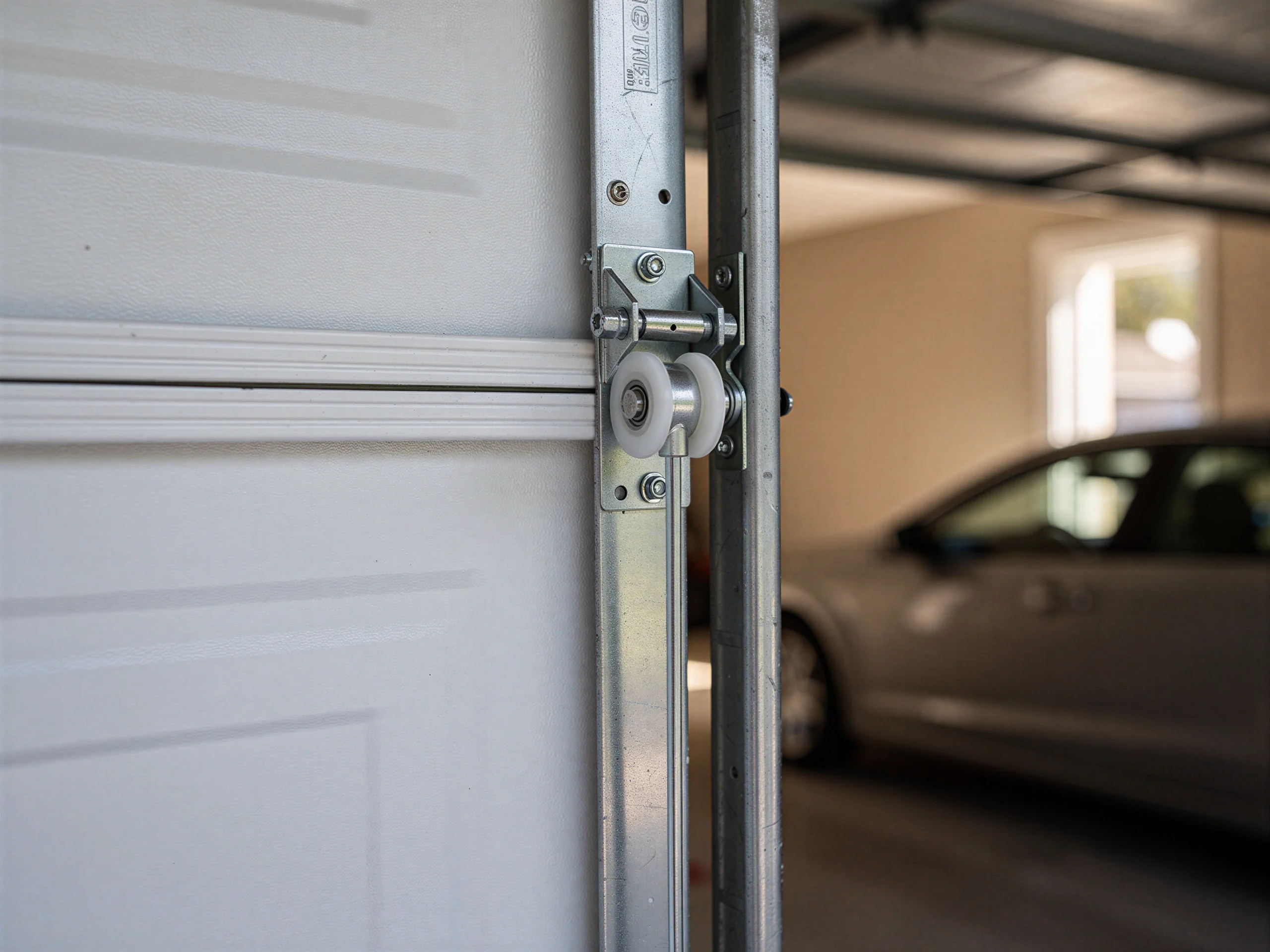
Garage Door Roller Replacement for Lake Havasu City Homes
Worn or cracked rollers on Lake Havasu City garage doors, tied to 1990s-era housing stock and severe desert heat. Learn more →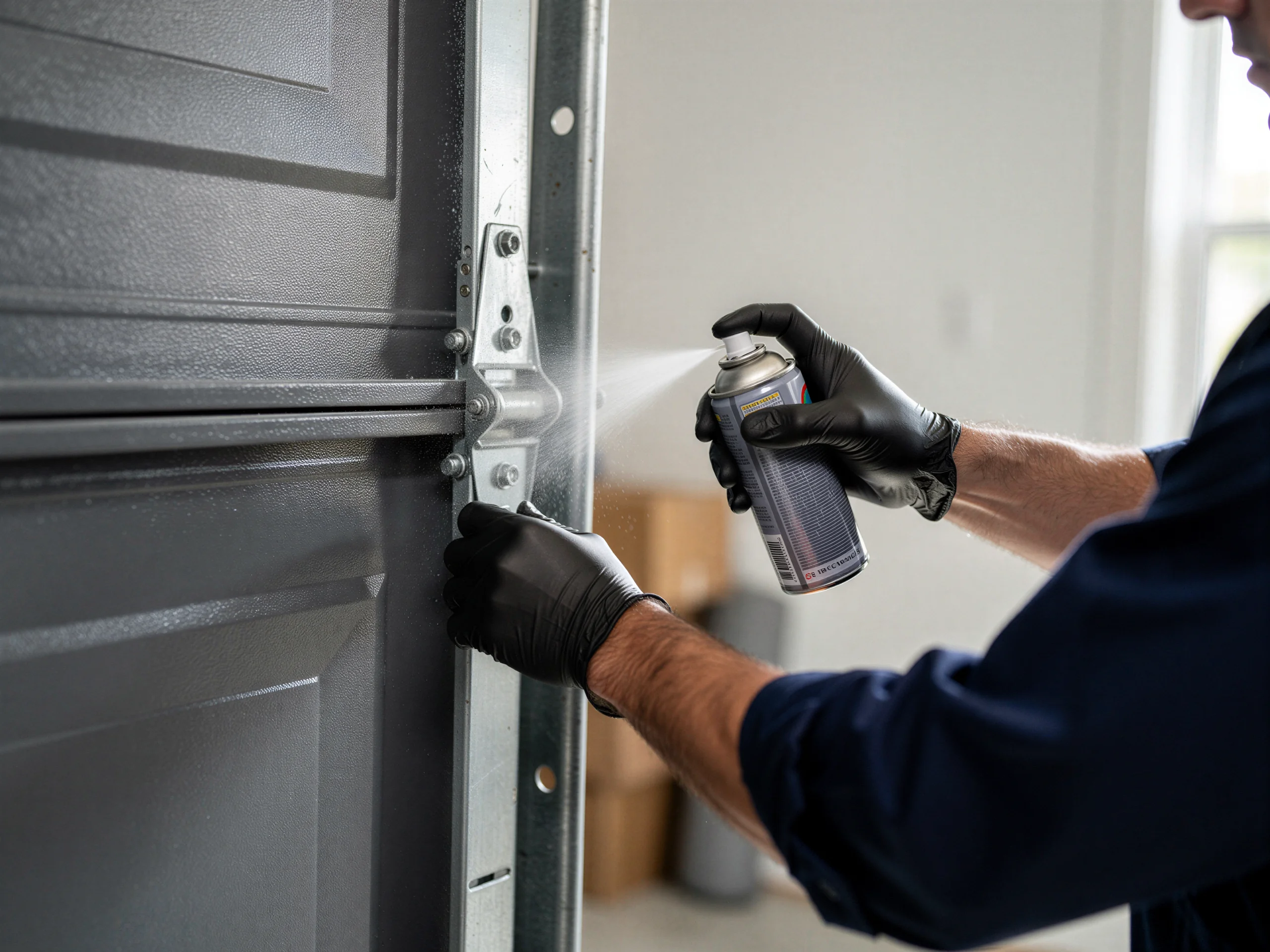
Garage Door Maintenance for Lake Havasu City Homes
Garage door maintenance built around Lake Havasu City's 1990s housing stock and severe summer heat. Learn more →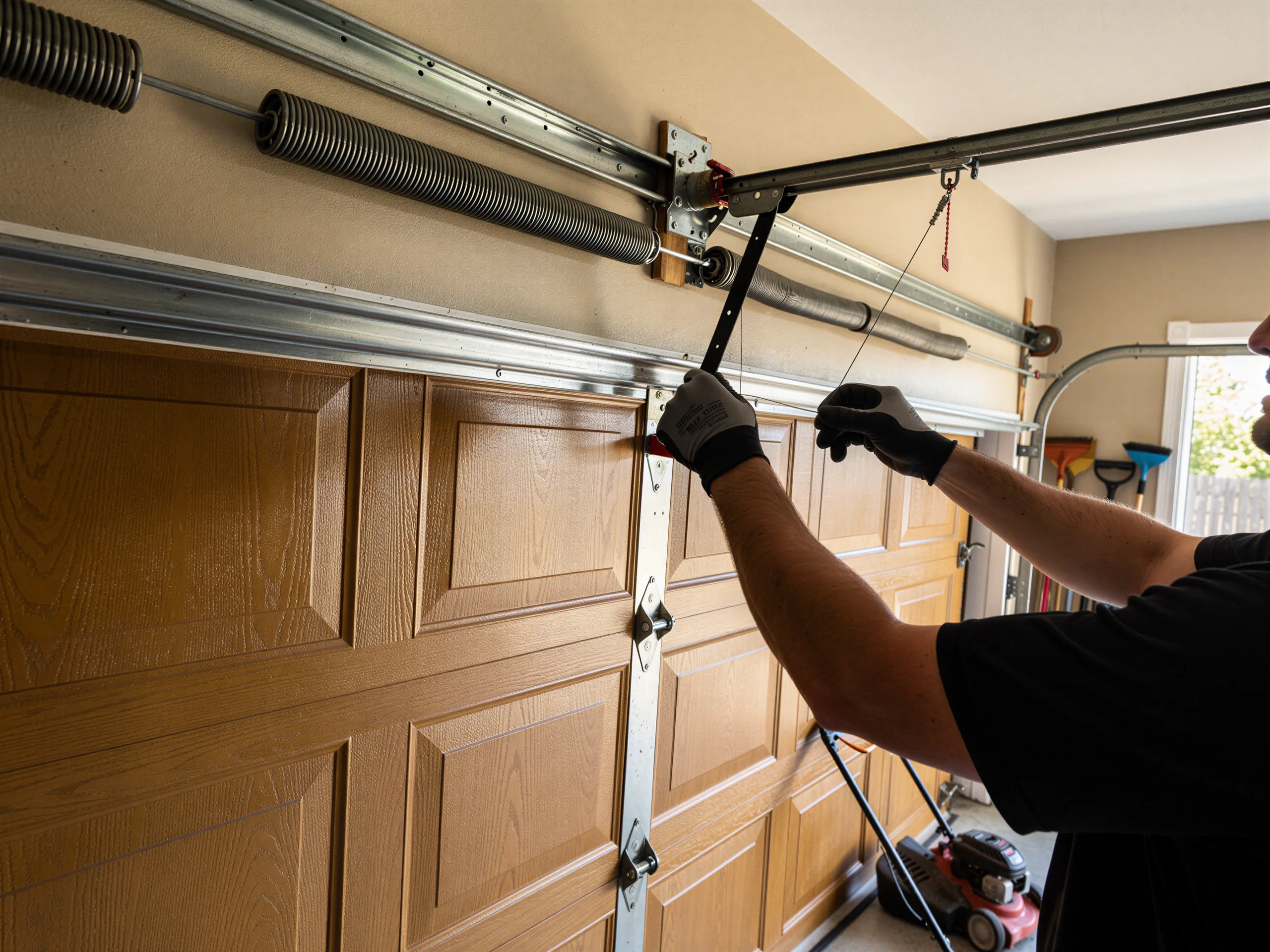
Garage Door Spring Repair, Lake Havasu City
Broken torsion spring on a Lake Havasu City garage door? Learn more →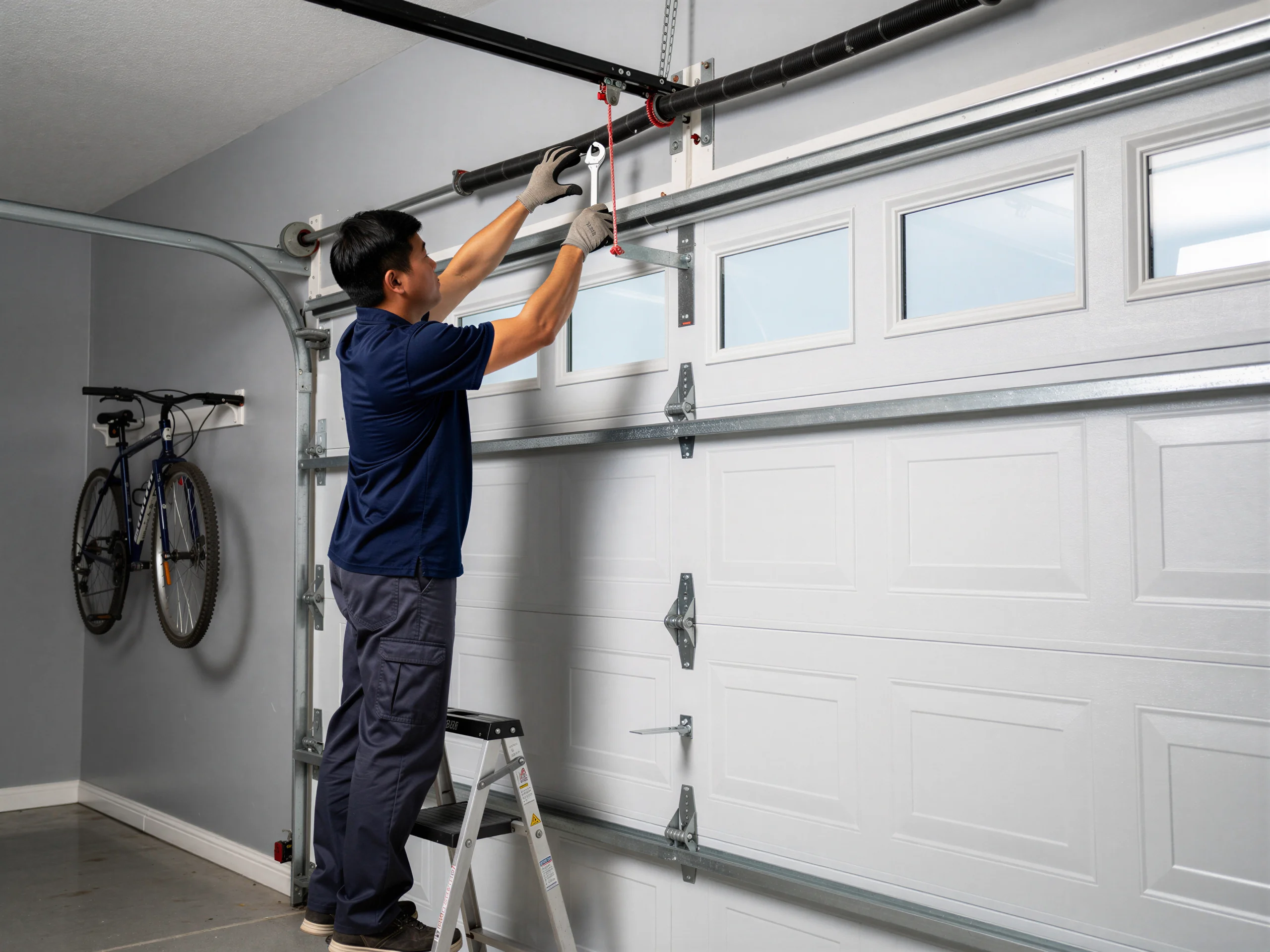
Garage Door Repair for Lake Havasu City Homes
Garage door repair built around Lake Havasu City's 1990s housing stock and desert heat. Learn more →Ready when you are
Garage door emergency in Lake Havasu City?
Lake Havasu City Garage Door Pros repairs and installs garage doors, springs and openers in Lake Havasu City, AZ and the surrounding area.