
What a Garage Door Job Costs Here, and Why Heat Changes the Math
What garage door repair and replacement actually run in Lake Havasu City, how desert heat wears springs and openers, and when a repair can wait until the weekend.
Read moreWhat garage door repair and replacement actually run in Lake Havasu City, tied to the 1991-2000 housing stock in Desert Hills and the Parker Strip, and the severe desert heat.
Local detail
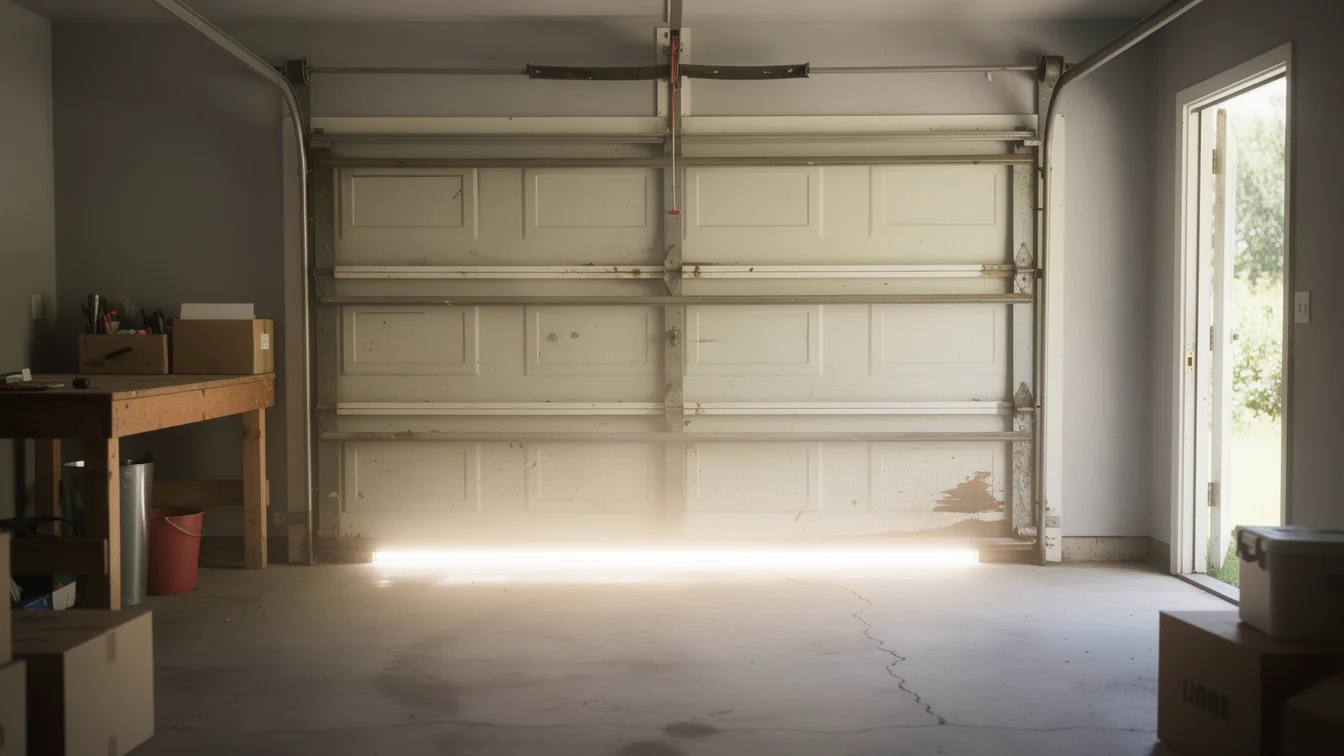
There's no single number that fits every house here, because the housing itself isn't uniform. A good share of what we see in Desert Hills and out toward the Parker Strip went up in the 1990s, with median construction landing around 1995. That generation of door hardware is different from what's sold today - lighter gauge springs, single-layer sections on a lot of the builder-grade doors, and openers that are now pushing twenty-plus years if nobody's swapped them. A spring job on one of these older setups usually costs less than replacing a door outright, but if the section is warped or the track is bent from heat expansion, patching it stops making sense pretty fast. With a median household income of $62,644 across the service area, most of the calls we get are repair-first, replace-only-when-the-repair-won't-hold.
We don't quote a flat number here because we haven't been given one to publish, and guessing at a price range would do you a disservice. What we can tell you is that the age of your door - not just the brand - is usually the biggest swing factor in what a job costs.
The area
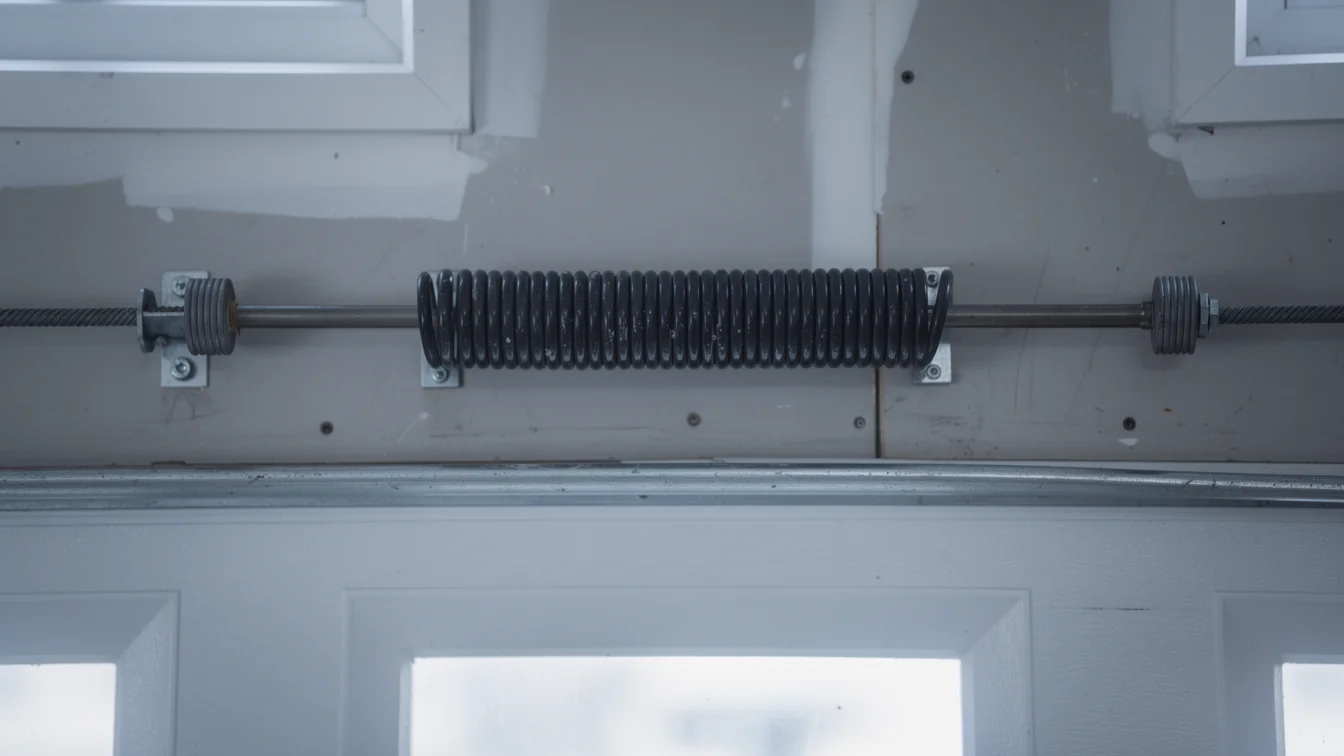
This area sits in a severe-heat climate band, and that matters more to a garage door than most owners expect. Steel expands. Nylon rollers get brittle faster than they would somewhere cooler. Lubricant that's fine in March is gone by August, and a track that's a sixteenth of an inch out of alignment in spring becomes a door that binds and groans by midsummer. On the 1980s-90s stock that makes up most of Desert Hills and the Parker Strip, the torsion springs were sized for the loads and tolerances of that era, not for thirty more years of heat cycling on top of it.
With 1,142 owner-occupied houses across the service area and 2,053 households total, we see the same failure pattern repeat house after house on these older streets: a spring that's lost tension gradually rather than snapping, an opener that strains and finally quits on the hottest stretch of the year. It's not bad luck. It's the same hardware, the same sun, year after year.
What we find
Not every noise or sag is an emergency, and we won't tell you otherwise just to get a truck out. If your door still opens and closes smoothly and the only issue is a squeak on the rollers, that's a lubrication job you can do yourself and it can wait for a weekend. Cosmetic dents on a panel, as long as the door still tracks straight and closes flush, are a cost decision, not a safety one - plenty of owners on 1990s-era houses in this area live with a dented panel for years before replacing the whole door.
Where we'd tell you not to wait: a spring that's visibly stretched or gapped, a cable that's frayed, or an opener that reverses on its own. Those get worse fast in a heat band like this one, because the stress on compromised hardware climbs with the temperature. If in doubt, it's worth a call before the hottest months hit, not during them.
How we work
The honest limitation is this: we can't always get ahead of the heat. Peak season brings a run of spring failures across the same streets at the same time - the 1990s-era doors in Desert Hills and out toward the Parker Strip all aging on the same clock - and when that happens, parts for some of the older opener models aren't something we keep on every truck. If your opener is original to a house built in the mid-90s, there's a real chance the exact replacement part is backordered, and we'll tell you that up front rather than promise a same-day fix we can't deliver.
The pattern we keep coming back to: this isn't random failure, it's predictable wear tied to the age of the housing stock and the climate it sits in. A door that's held up fine for twenty-five years in this heat is not a door that's going to hold up fine for thirty.
Questions
Most of the housing stock here dates to the 1990s, and the heat band this area sits in is severe. Springs and rollers sized for that era's loads degrade faster under repeated heat cycling, so a lot of hardware installed around the same time tends to wear out around the same time too.
Depends on the fault. If it's a sensor or a logic board issue, repair can make sense. If the motor itself is straining, an opener that age has already outlived a lot of its peers, and parts aren't always easy to source - replacement is often the more honest answer.
The underlying housing stock is similar - mostly 1980s-90s construction - so the wear pattern on doors and springs tracks close to what we see in Desert Hills. Distance from town doesn't change the heat exposure much.
Recommendation
More garage door guides for Lake Havasu City homeowners.
What garage door repair and replacement actually run in Lake Havasu City, how desert heat wears springs and openers, and when a repair can wait until the weekend.
Read more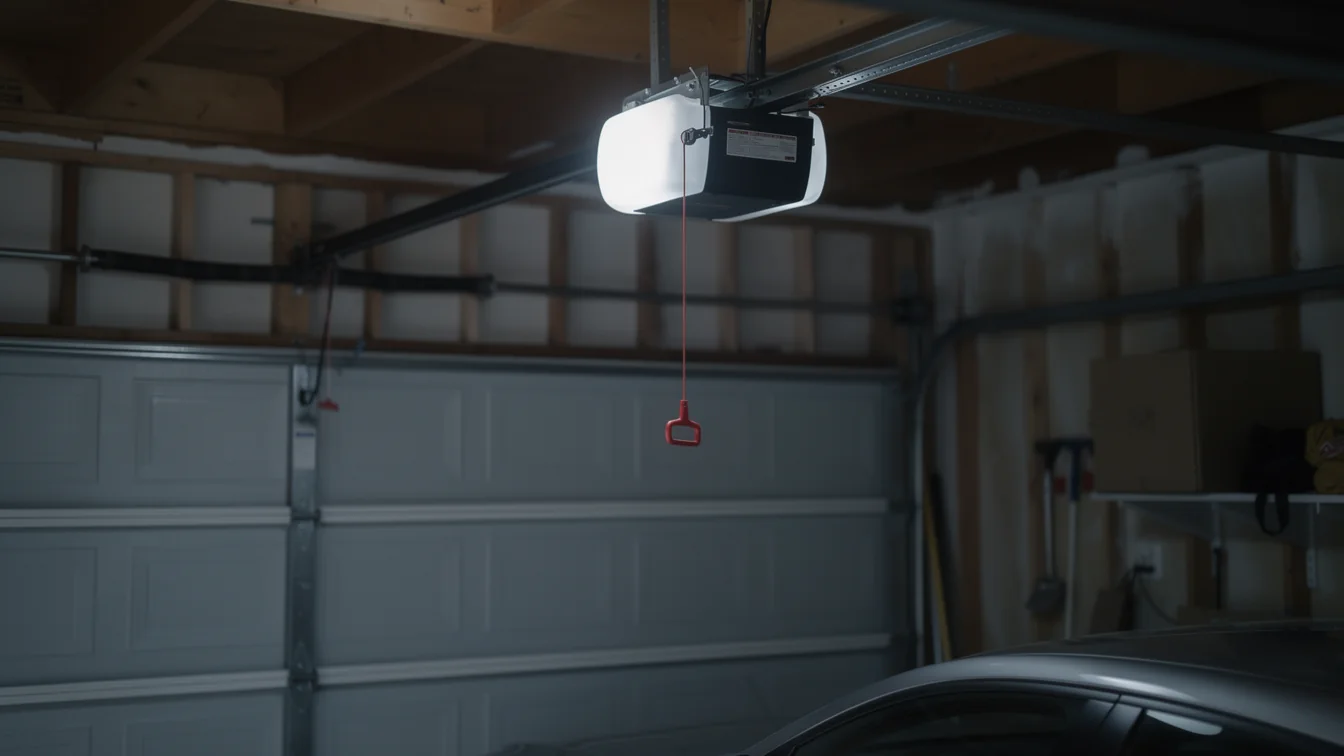
Lake Havasu City homes built mostly in the 1990s face openers strained by severe desert heat and grid power cuts; here's what repairs actually cost and why.
Read more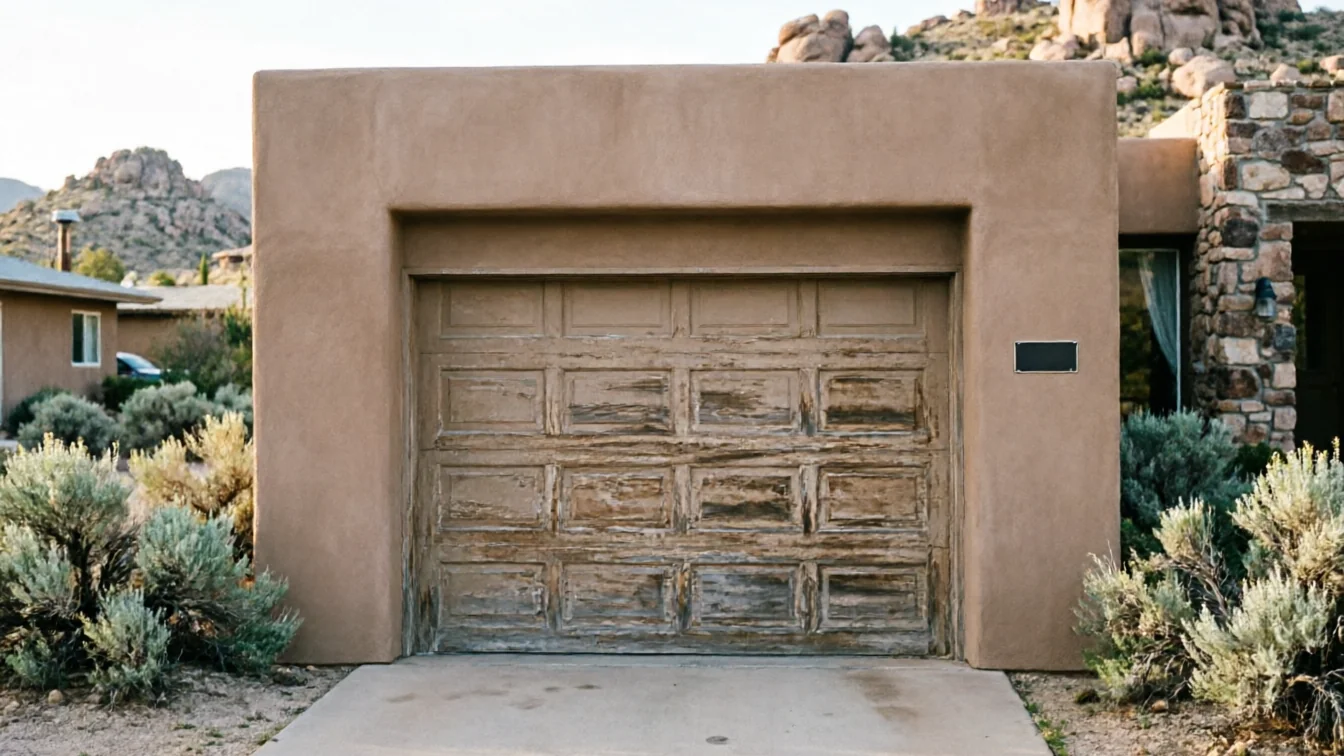
Most Lake Havasu City garage doors date to the 1990s building boom.
Read moreReady when you are
Lake Havasu City Garage Door Pros repairs and installs garage doors, springs and openers in Lake Havasu City, AZ and the surrounding area.