What a Garage Door Job Really Costs Around Lake Havasu City
What garage door repair and replacement actually run in Lake Havasu City, tied to the 1991-2000 housing stock in Desert Hills and the Parker Strip, and the severe desert heat.
Read moreWhat garage door repair and replacement actually run in Lake Havasu City, how desert heat wears springs and openers, and when a repair can wait until the weekend.
Local detail
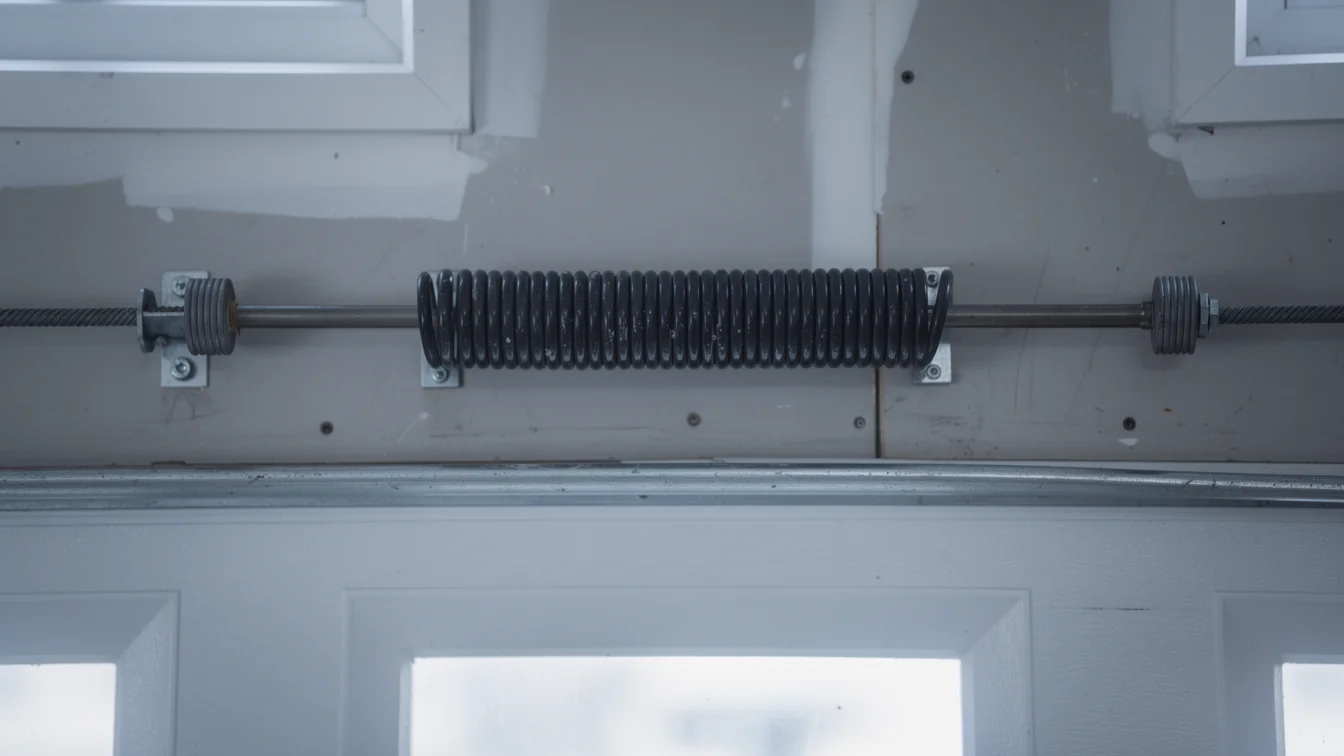
We don't post a price list here because every job depends on what's actually broken and what's on the door, but a few things shape the number more than most homeowners expect. A big share of houses in this service area went up between 1991 and 2000, with a second cluster of stock from the 1980s and 90s spread across the two main neighborhoods we work in. That means a lot of doors are on their original torsion springs or openers from a build era when manufacturers used different drum and cable sizing than what's sold today. If your door matches that profile, a tech may need to special-order a part instead of pulling it off the truck, and that adds time to the job even if the labor itself is routine. Newer doors installed in the last decade are usually a faster, cheaper fix because the hardware is current and parts are common. The honest answer: a spring swap on an original-era door generally costs more than the same repair on a door installed five years ago, simply because of what has to be sourced. We'll tell you which category your door falls into before we quote anything, not after.
The area
This area sits in a severe-heat climate band, and that matters more for garage doors than people assume. Steel expands in high heat, which changes how a torsion spring sits under tension and how a panel seats against its track. Lubricant on rollers and hinges breaks down faster at sustained high temperatures, which is part of why doors that were quiet in spring start grinding by mid-summer. Openers take a hit too - the circuit boards and capacitors in older opener units, especially the ones original to 1990s-era homes, are more likely to fail when the garage itself sits well above outdoor temperature for hours at a time, which is normal here. None of this is unique to one house; it's a function of the climate this whole service area sits in, from the homes near Desert Hills five miles out to the ones further toward the Parker Strip. If your door is sticking, binding, or the opener is cycling oddly only in the hottest part of the day, that's a heat-load symptom, not a coincidence.
What we find
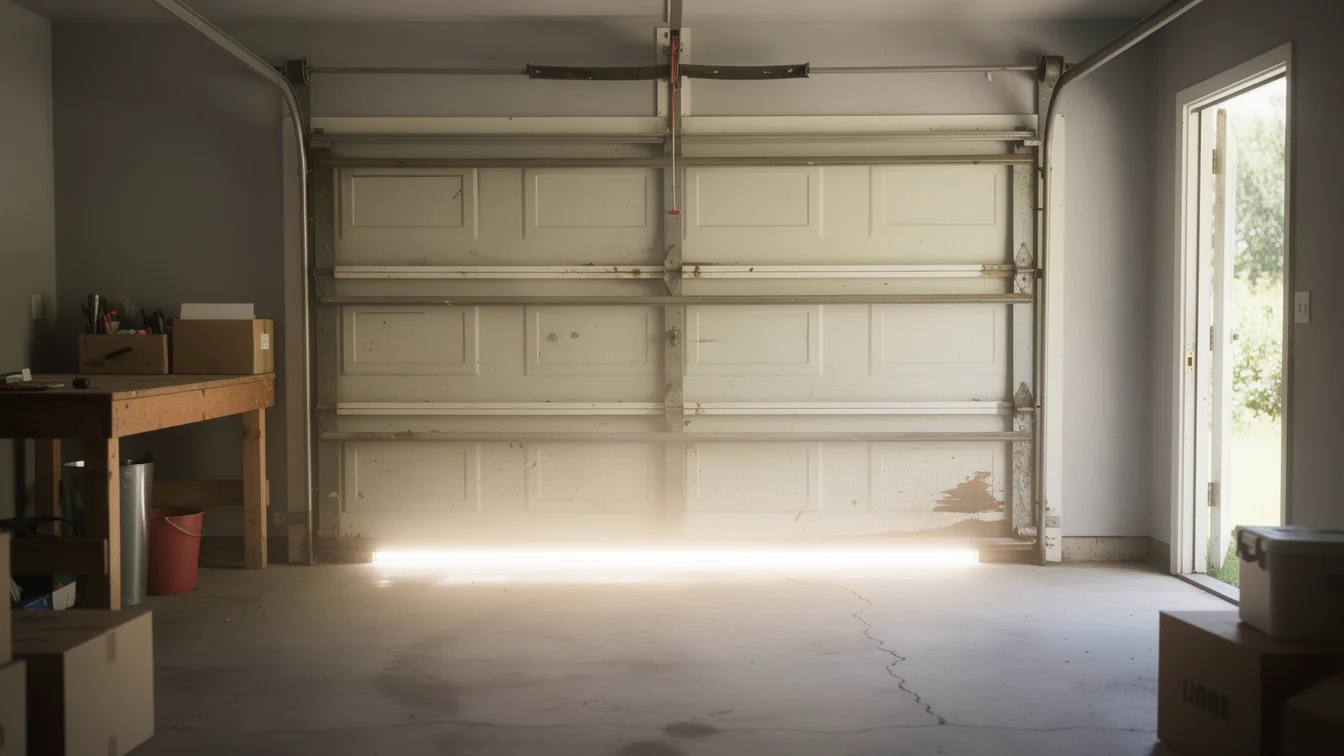
Not everything needs a same-week call. A door that's a little noisier than usual, or rollers that squeak on the hottest afternoons but run fine by evening, can usually wait until it's convenient - lubrication and a tension check at your next slow weekend will often quiet it down. If the door still opens and closes smoothly and the opener reverses properly when it hits resistance, you're not in a failure situation, you're in a maintenance situation. Where we'd tell you not to wait: a cable that's frayed or off its drum, a spring that's visibly separated, or a door that's noticeably heavier to lift by hand than it used to be. Those are load-bearing failures, and in extreme heat a stressed spring is more likely to let go without much warning. We'd rather talk you out of an emergency call you don't need than have you sit on one you do.
How we work
The core issue for a lot of houses in this service area is a mismatch between original-era hardware and a climate that's harder on that hardware than it was designed for. A spring rated and installed in the 1990s wasn't necessarily spec'd with decades of severe summer heat cycling in mind, and after enough seasons of expansion and contraction, fatigue shows up as sudden failure rather than gradual wear. We can't tell you a door will fail on a schedule - that's not how metal fatigue works - but we can tell you that a door matching the housing stock common here, especially one that hasn't had a spring or cable inspected in several years, carries more risk in July than the same door would in a mild climate. One limitation worth being upfront about: we can't always get obsolete parts for the oldest doors quickly, and when that happens replacement ends up being the faster and sometimes cheaper path than waiting on a special order.</n>
Questions
Heat makes the torsion spring's steel expand slightly, which changes its effective tension, and lubricant on the tracks and rollers thins out under sustained high temperatures. On an original 1990s-era spring that's already fatigued, that combination can make the door noticeably heavier to lift by hand during the hottest months.
Yes, especially on older units. Circuit boards and capacitors in openers from the 1980s and 90s building wave common in this area degrade faster when garage temperatures run high for extended hours, which is typical in a severe-heat climate band. Newer opener models handle that load better.
We work across this service area, including homes near Desert Hills about five miles out and further toward the Parker Strip around 19 miles away. Travel distance can factor into scheduling, so mention your location when you call.
Recommendation
More garage door guides for Lake Havasu City homeowners.
What garage door repair and replacement actually run in Lake Havasu City, tied to the 1991-2000 housing stock in Desert Hills and the Parker Strip, and the severe desert heat.
Read more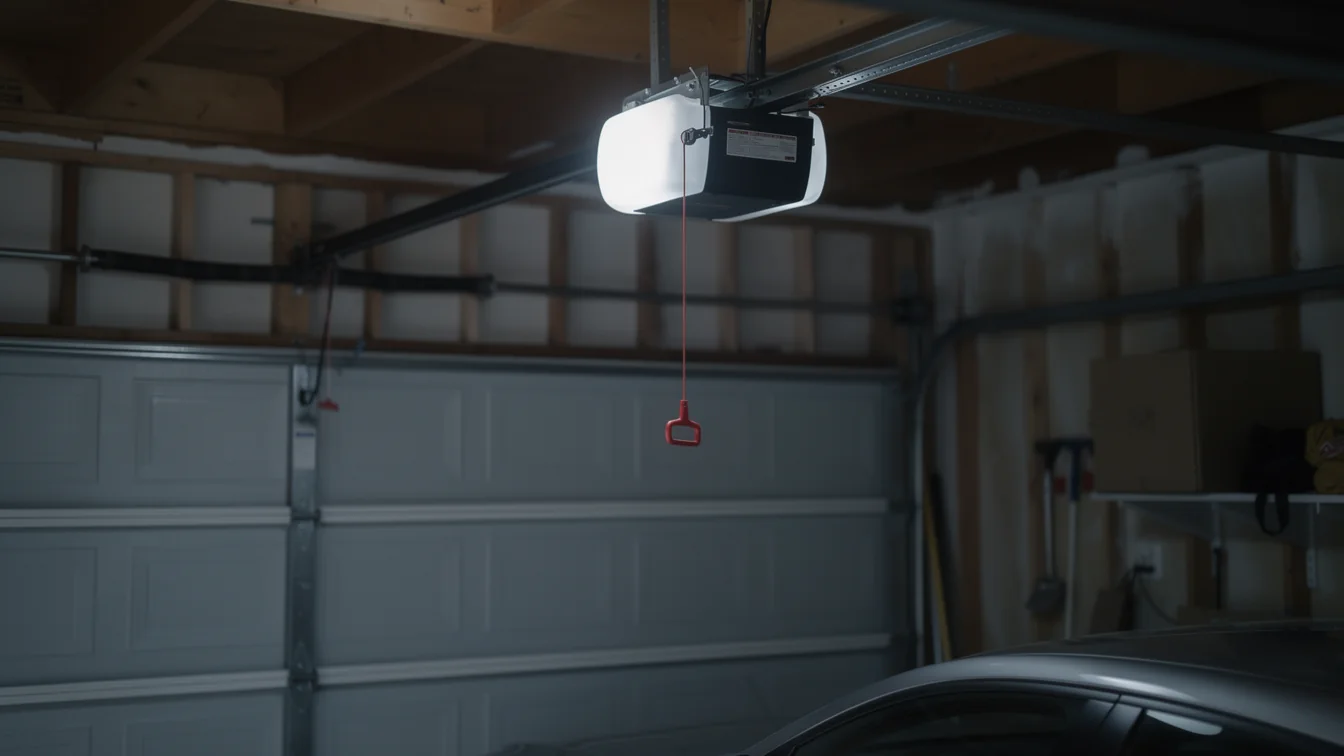
Lake Havasu City homes built mostly in the 1990s face openers strained by severe desert heat and grid power cuts; here's what repairs actually cost and why.
Read more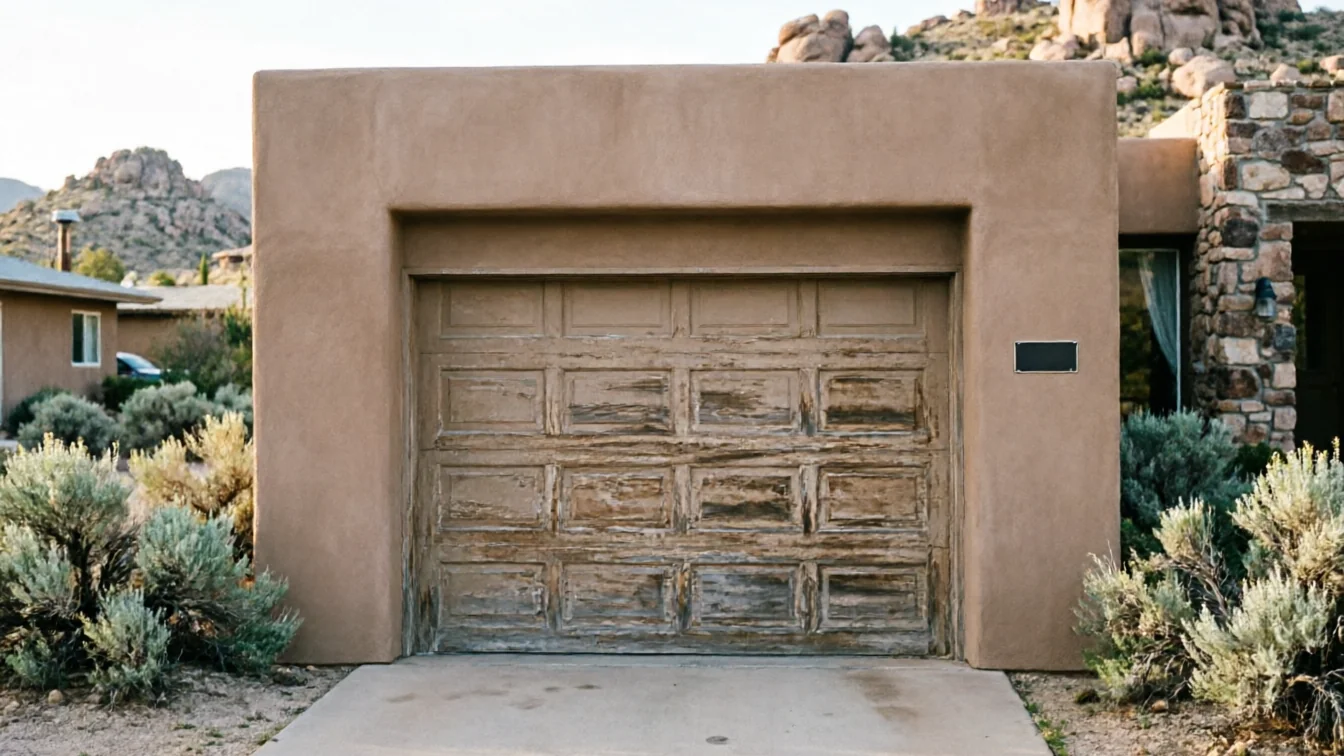
Most Lake Havasu City garage doors date to the 1990s building boom.
Read moreReady when you are
Lake Havasu City Garage Door Pros repairs and installs garage doors, springs and openers in Lake Havasu City, AZ and the surrounding area.