What a Garage Door Job Costs Here, and Why Heat Changes the Math
What garage door repair and replacement actually run in Lake Havasu City, how desert heat wears springs and openers, and when a repair can wait until the weekend.
Read moreMost Lake Havasu City garage doors date to the 1990s building boom. Here's how desert heat and door age decide whether a repair or replacement makes sense.
Local detail
We can't quote a number without seeing the door, the opener, and what's actually failed - a cable off a drum costs a lot less than a bent track that's taken the roller brackets with it. What we can tell you is what drives the decision here. Most houses in this service area went up between 1991 and 2000, with 1995 as the median build year. That means a lot of original torsion springs, original openers, and original hardware are now pushing thirty years old, well past the cycle rating most of them carry. At that point you're not comparing a cheap fix to an expensive one - you're comparing a repair that buys a year or two against a replacement that resets the clock. With a median household income of $62,644 across this area, that's a real trade-off for most owners, not an easy yes. Our honest limitation: if the opener board is original to a 1990s install and it's already failed once, we'll tell you straight that sinking more into it rarely pays off, and we won't talk you into patching something that's done.
The area
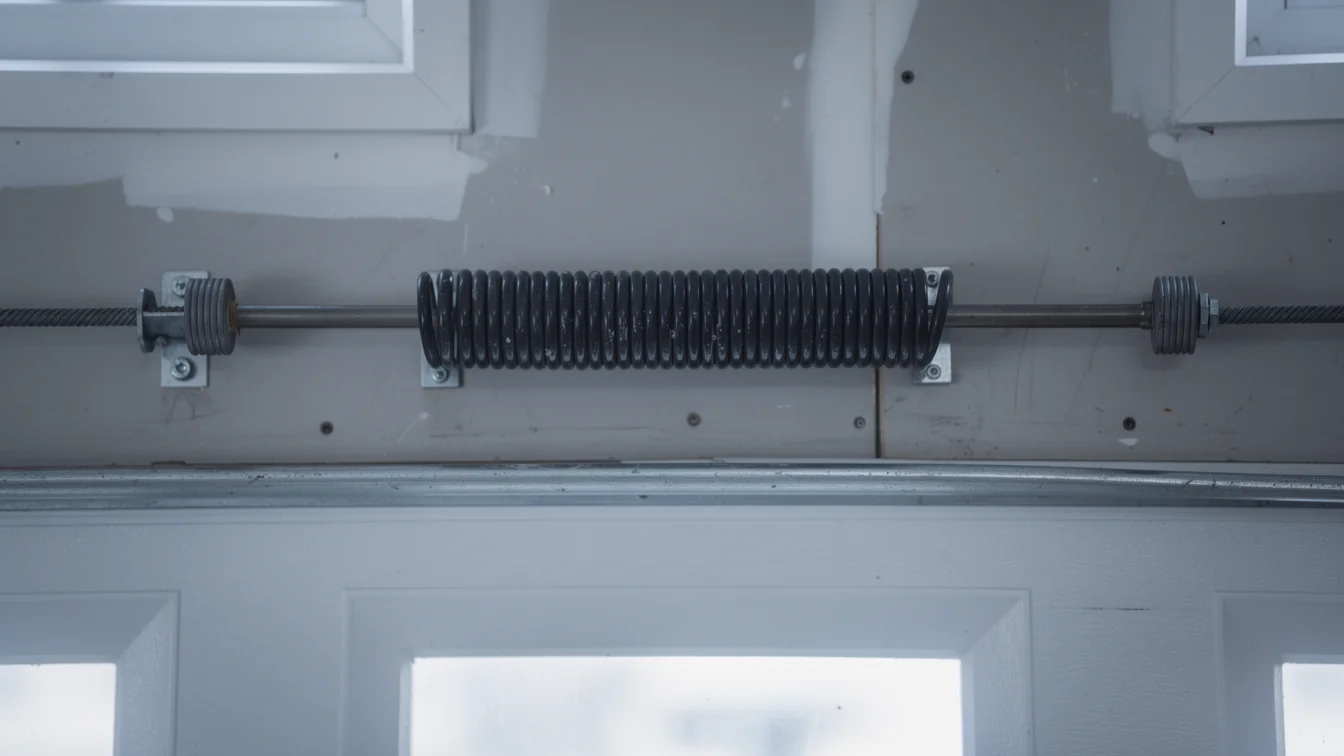
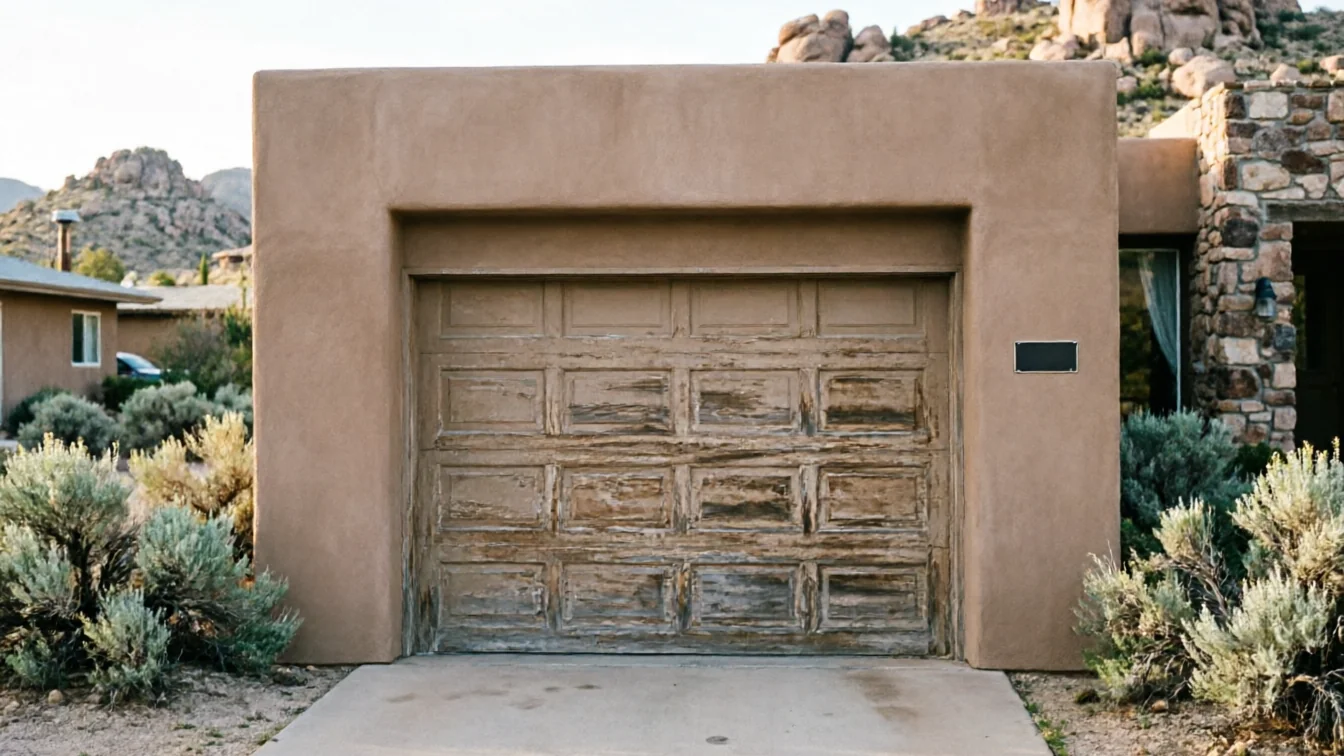
Lake Havasu City sits in a severe-heat climate band, and that matters more to a garage door than most people expect. Nylon rollers go brittle and crack in sustained heat. Lubricant on torsion springs cooks off faster, so the coils wear unevenly instead of flexing the way they're rated to. Steel panels on the sun-facing side of a house expand and contract daily, which loosens hinges and panel screws over years of that cycle. None of this is dramatic - it's slow, and it's cumulative. The two areas we see the most of this in are Desert Hills, about five miles out, and Parker Strip, nineteen miles out, both carrying that same 1980s-90s housing stock. Doors out there have had an extra decade or two of heat cycling on top of what's typical closer in, so springs and rollers tend to be further along when we get the call. If your door is from that era and from one of those areas, heat is doing more of the damage than use is.
What we find
Not everything needs a truck out this week. A door that's noisy but moving smoothly, tracks a little, and reverses properly when it hits something is a door you can live with while you save up or wait for the right week. Cosmetic panel dents that don't affect the roller path are the same story - ugly, not urgent. Weatherstripping that's cracked from the heat but still sealing most of the gap can wait a season. What can't wait is a spring that's already showing a gap in the coil, a cable that's frayed at the drum, or an opener that reverses inconsistently - those are safety issues, not comfort issues, and they tend to fail without much warning once they start. If you're not sure which category you're in, that's a reasonable thing to ask about before deciding to wait.
How we work
The housing stock in this area clustered its growth in a narrow window - mostly 1991 to 2000 - which means a lot of garage doors, springs, and openers are aging out at the same time instead of being spread across decades like in an older, more mixed neighborhood. Across the roughly 2,053 households here, 1,142 are owner-occupied houses, and a large share of those are carrying original or near-original garage door hardware from that same build era. Add the severe heat this area sees and you get springs, rollers, and opener electronics that are wearing out faster than their age alone would suggest. The result is a lot of doors in Desert Hills and Parker Strip, and in town itself, that are right at the edge - not broken yet, but not far off. That's the pattern behind most of the repair-or-replace calls we get: it's rarely one dramatic failure, it's thirty years of heat finally catching up with 1990s parts.
Questions
It depends on what's failed, but most of the original doors and openers in this area date to the 1991-2000 building boom, which puts a lot of them close to thirty years old now. At that age, a spring or opener failure is often the second or third issue on a door that's already worn from heat cycling, which is when replacement starts to make more sense than another repair.
Yes. This area sits in a severe-heat climate band, and that dries out lubricant, cracks nylon rollers, and cycles steel panels through daily expansion and contraction. None of it breaks a door overnight, but it does shorten the working life of springs, rollers, and weatherstripping compared to a milder climate.
Both areas carry a lot of 1980s-90s housing stock, similar to the main build era in town, so the doors are aging on roughly the same timeline. The main difference is distance - Desert Hills is about five miles out and Parker Strip about nineteen - which just means a longer drive for us, not a different kind of door.
Recommendation
More garage door guides for Lake Havasu City homeowners.
What garage door repair and replacement actually run in Lake Havasu City, how desert heat wears springs and openers, and when a repair can wait until the weekend.
Read more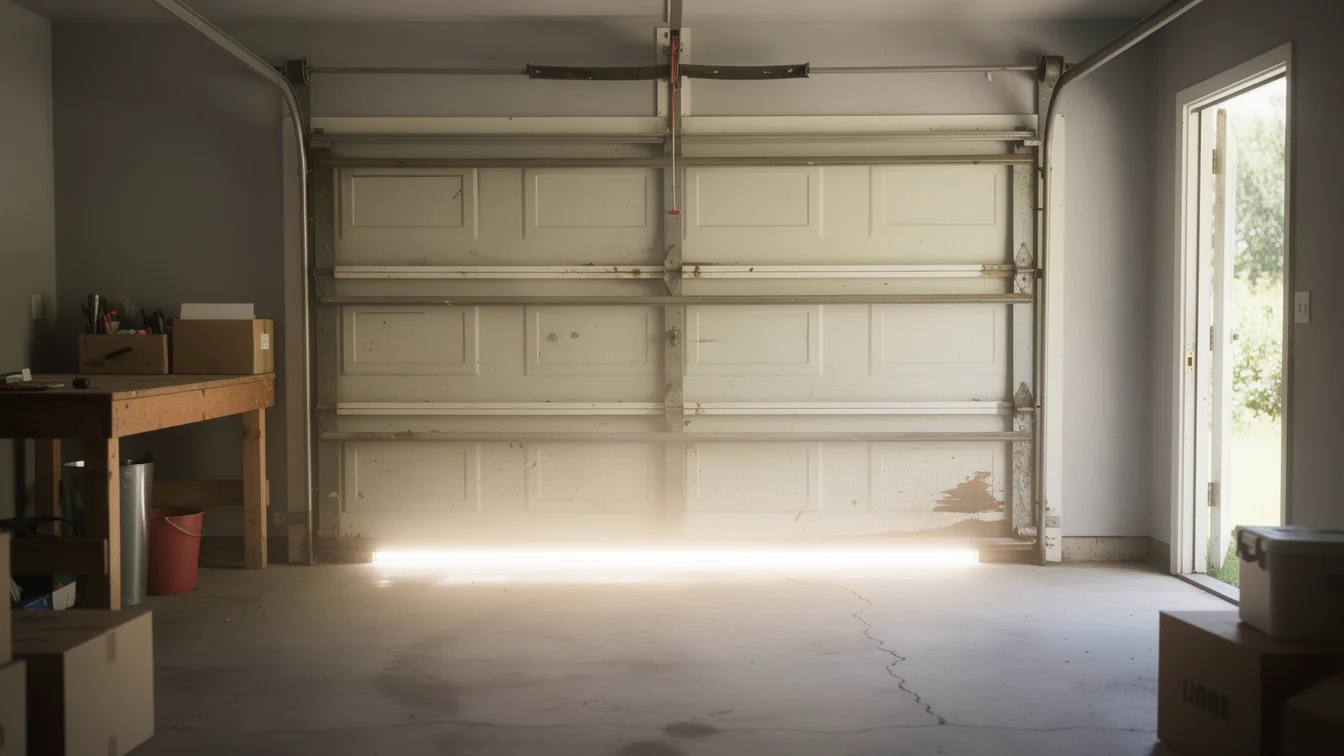
What garage door repair and replacement actually run in Lake Havasu City, tied to the 1991-2000 housing stock in Desert Hills and the Parker Strip, and the severe desert heat.
Read more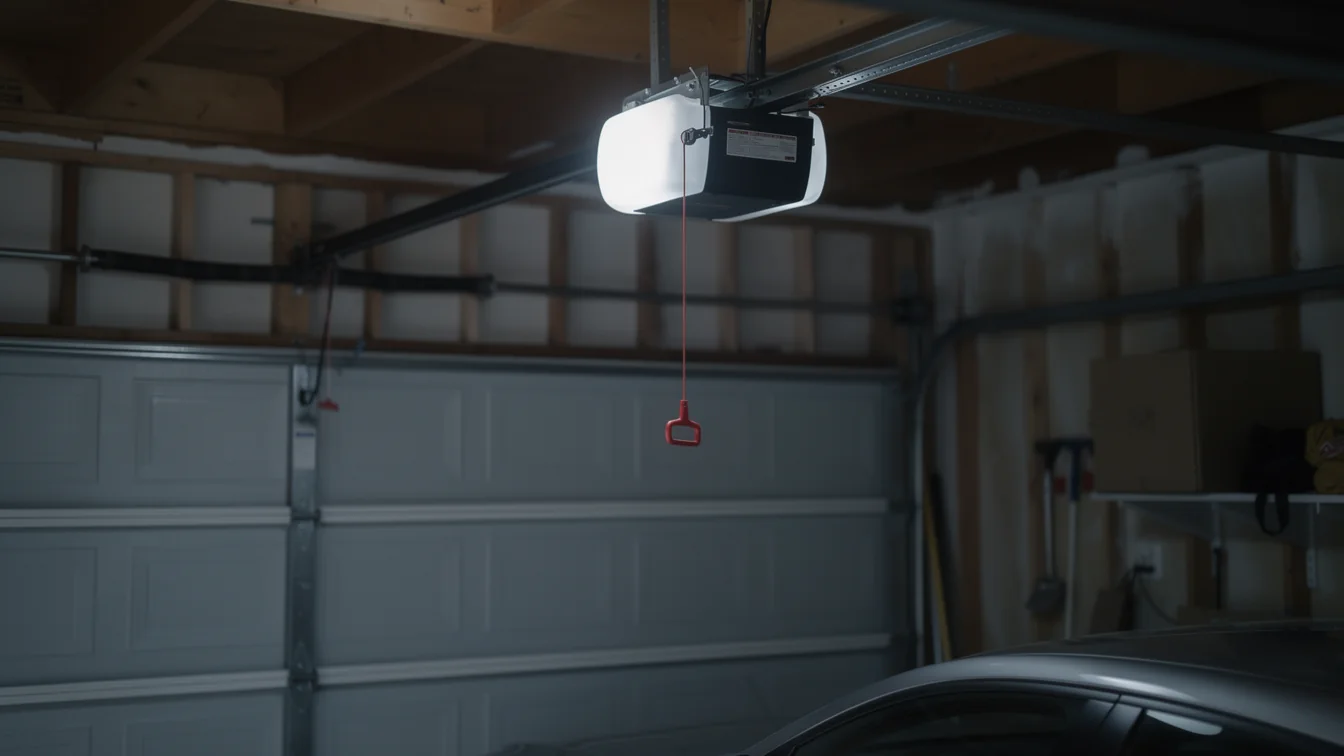
Lake Havasu City homes built mostly in the 1990s face openers strained by severe desert heat and grid power cuts; here's what repairs actually cost and why.
Read moreReady when you are
Lake Havasu City Garage Door Pros repairs and installs garage doors, springs and openers in Lake Havasu City, AZ and the surrounding area.